 Building Information System
News
Recent News
Construction Output Increased by 3.2% in the Second Quarter of 2026
Published Tuesday, 11 August 2026Amendments Approved to Strengthen Apartment Owners’ Associations’ Ability to Implement Building Renovation Projects
Published Tuesday, 28 July 2026Latvia Simplifies Residential Building Management Requirements
Published Tuesday, 21 July 2026ALTUM Expands Business Greening Programme
Published Monday, 20 July 2026Less bureaucracy: construction can begin in parallel with design
 Published
Tuesday, 31 March 2026
Published
Tuesday, 31 March 2026
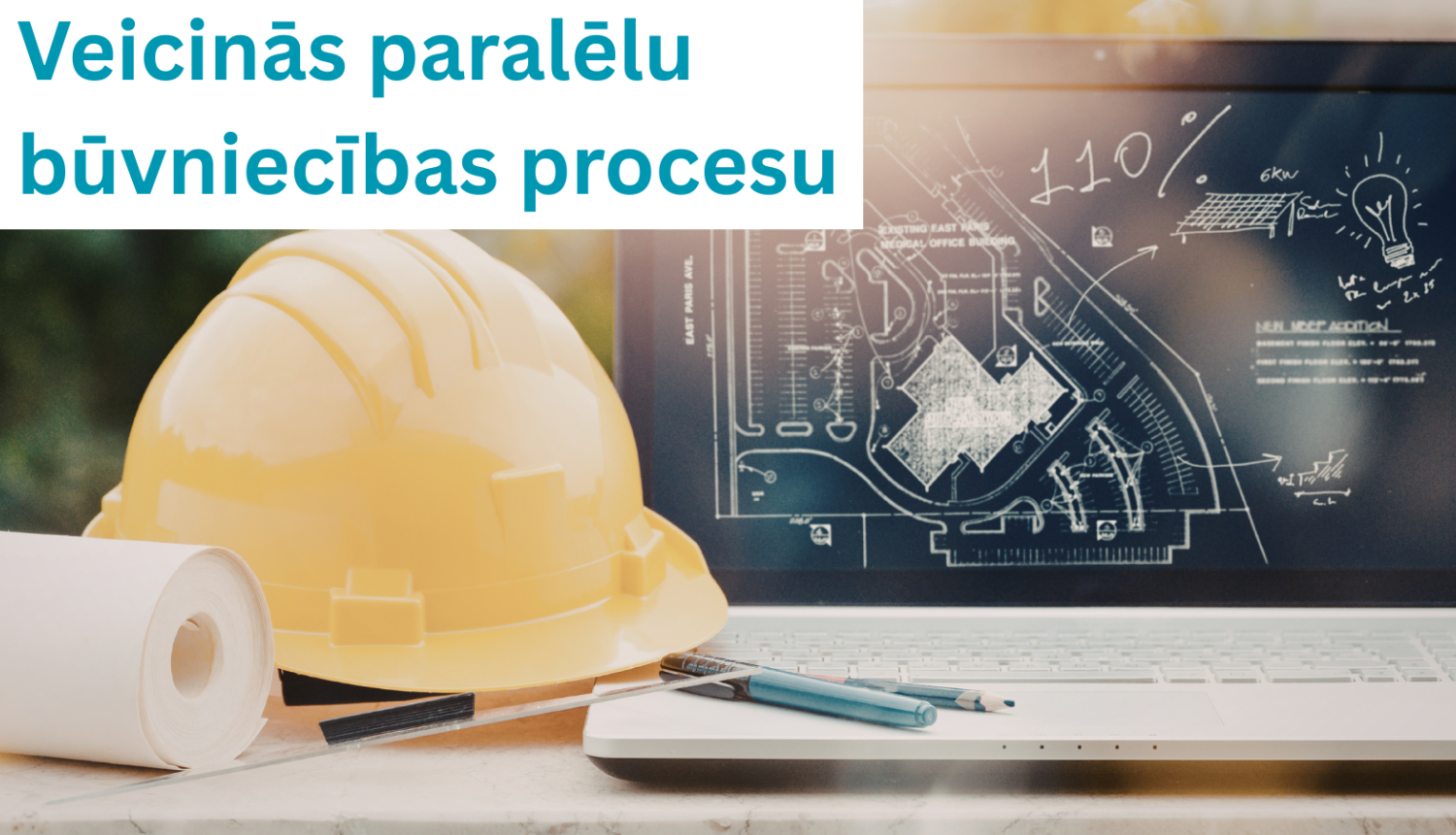
On Tuesday, March 31, the State Administration and Local Government Committee of the Saeima supported the draft law “Amendments to the Construction Law” prepared by the Ministry of Economics of Latvia. The amendments aim to significantly modernise the construction process by enabling construction works to proceed in parallel with the design phase.
The draft law has been developed to improve the current procedure for implementing construction projects, making it more flexible and better suited to the dynamics of modern investment projects. The main objective is to shift from the existing linear process to a parallel construction process.
The current regulation requires the completion of detailed design for all parts of a building before any physical works can begin, often creating a “bottleneck” effect. The new approach will allow first-stage construction works to begin while the detailed design of subsequent stages is still ongoing. Separate construction stages may include the development of external engineering networks and structurally independent elements. This will enable developers to utilise investments more quickly and start actual construction sooner, reducing financial risks associated with loan interest and construction cost inflation.
“These amendments, without compromising building safety requirements, will accelerate the construction process, reducing timelines by up to six months and allowing projects to be implemented in stages. This approach will speed up the actual inflow of investments into Latvia’s economy and ensure full use of the construction season,” emphasises Jurģis Miezainis, Parliamentary Secretary of the Ministry of Economics.
To ensure continuity, local building authorities will be required to make decisions on each subsequent construction stage within 10 working days. This will allow businesses to better plan equipment and labour resources, reducing downtime risks.
At the same time, the draft law strengthens safety requirements—construction stages must be defined in a sequence that ensures structural stability, and approvals with third parties and relevant authorities regarding building placement will be required at an early stage to prevent risks later in the process.
The draft law supported by the committee will be submitted for consideration to the Saeima. The new regulation is expected to enter into force in 2027, by which time necessary adjustments to the Construction Information System (BIS) must be completed.
Page refreshed on 2026-03-31


State Construction Control Bureau
|
In case of reproduction of information, reference to the Building Information System is mandatory.
|
Build: 010dc-C (20260827200319) (production)